 Book an appointment online
Sinus surgery can address various diseases affecting the sinuses of the face, including:
- acute purulent sinusitis
- sinusitis of dental origin (dental paste in the sinus, fungal infection or aspergillus sinusitis, infection of a devitalized tooth)
- sinusitis associated with tumors, most often benign (polyps, inverted papillomas, malignant tumors...)
- sinusitis due to anatomical anomalies (septal deviations, bullous middle turbinate or concha bullosa...)
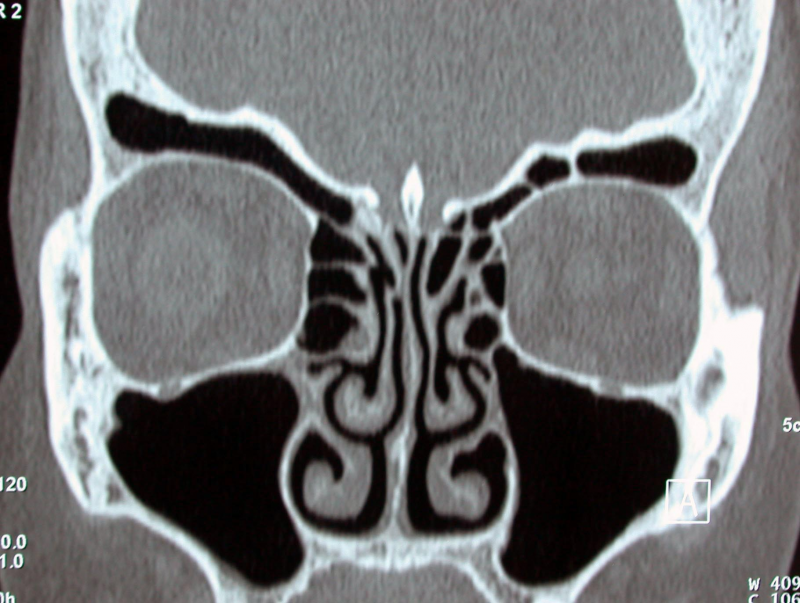 normal sinuses
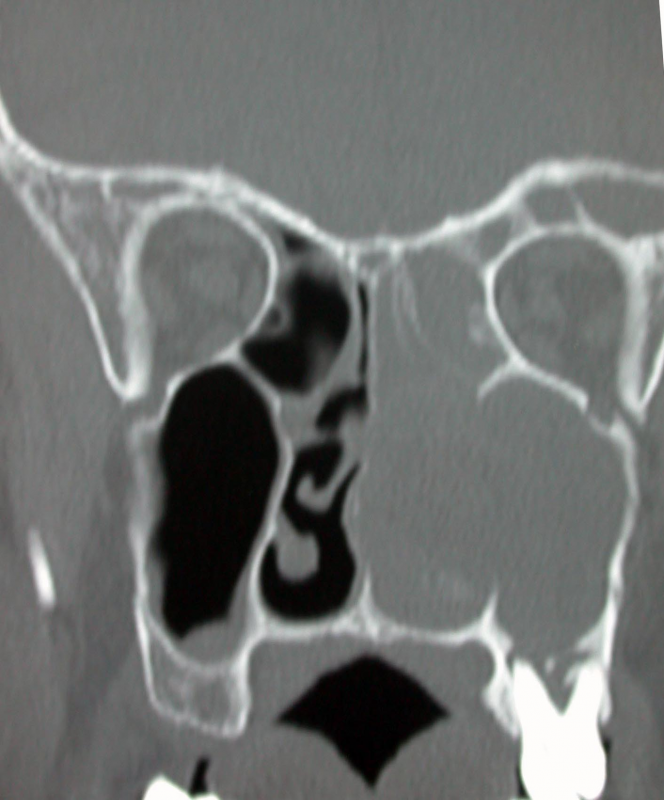
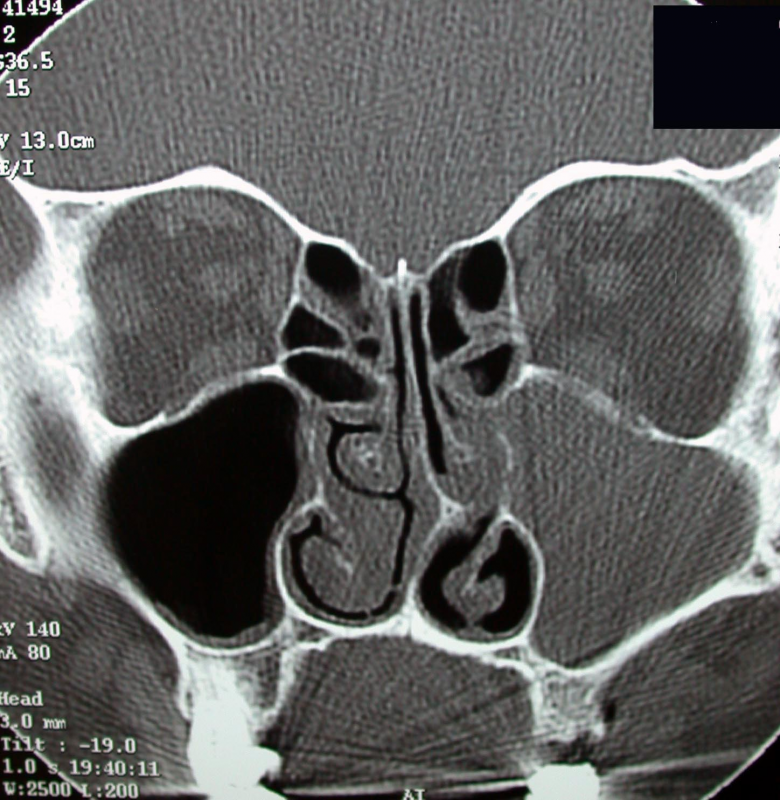
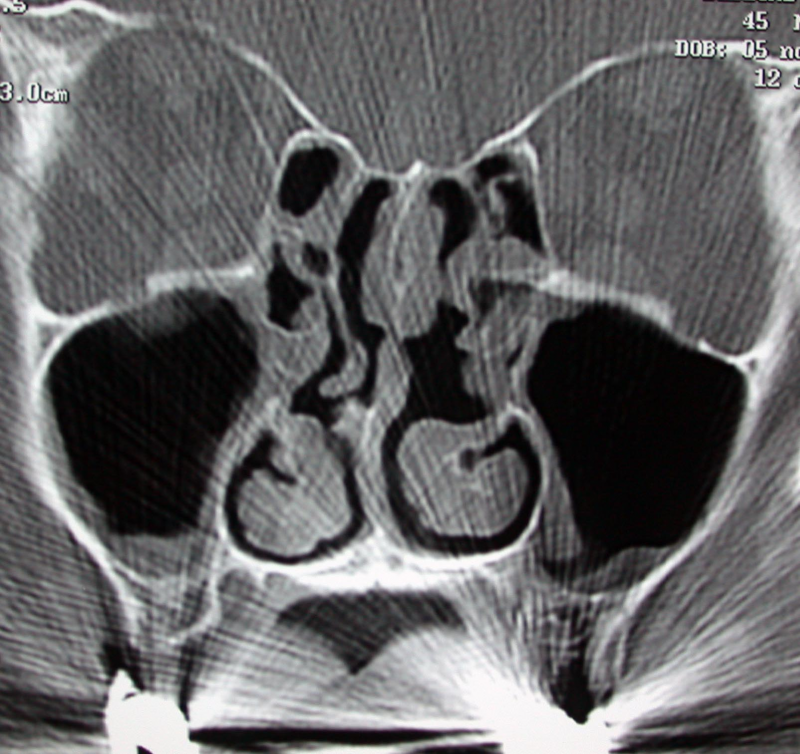
dental sinusitis, sinusitis due to a deviated septum, chronic sinusitis
Surgical procedures are performed under general anesthesia with intubation to protect the lower airways.
Hospitalization is short, from a few hours in outpatient surgery or 24 hours of hospitalization.
The purpose of the intervention is
- to widen the natural channel connecting the maxillary sinus to the nasal cavity, to allow secretions to drain into the nasal cavity,
- sinus aeration and, if necessary, the taking of samples from the maxillary sinus, or the removal of cysts or polyps
- correction of septal deviations or excess volume of the turbinates (by laser, avoiding any section of the turbinate in order not to cause empty nose syndrome)
The procedure is performed via the natural endonasal pathways (nasal cavity), without external scarring, and is carried out with optical instruments under video control.
A wick is put in place for a few hours.
Post-operative care consists of performing nasal irrigation two to three times a day for one to three weeks.
Surgical risks
- Bleeding may occur for up to 12 days post-surgery, requiring rest during this period.
- watery eyes due to irritation of the tear ducts
- Rarely, emphysema (presence of air under the skin) may be observed in the eyelid area, or a hematoma in the eyelids.
- nasal obstruction due to a wound healing disorder
- Exceptionally, visual disturbances (blurred vision, double vision or decreased vision) or brain damage have been described for ethmoid surgery.

